
"Central American coffee exports"
1000 article(s) found

A Brief Talk on Sino-American Coffee-Beautiful Nature, Caribbean Spirit-Dominican Republic
Professional barista exchanges, please pay attention to coffee workshop (Weixin Official Accounts cafe_style) rather than Dominican coffee belongs to Central American coffee, but many materials are classified as Caribbean or island coffee. In addition to differences in climate and terroir, there are also differences in political independence and consumption habits, which make multinational coffee more elegant temperament belonging to islands. In recent years, it has devoted itself to

What is the famous coffee in America? what is the output of American coffee? is South American coffee beans delicious?
Professional coffee knowledge exchange more coffee bean information please follow the coffee workshop (Wechat official account cafe_style) Coffee growing area of the Americas in North America, Mexico is the ninth largest coffee exporter in the world. Production is mainly concentrated in the south-central and southern parts of the country and grows particularly well in the Sokonusco coastal area of Chiapas near the Guatemalan border. In Central America and the South
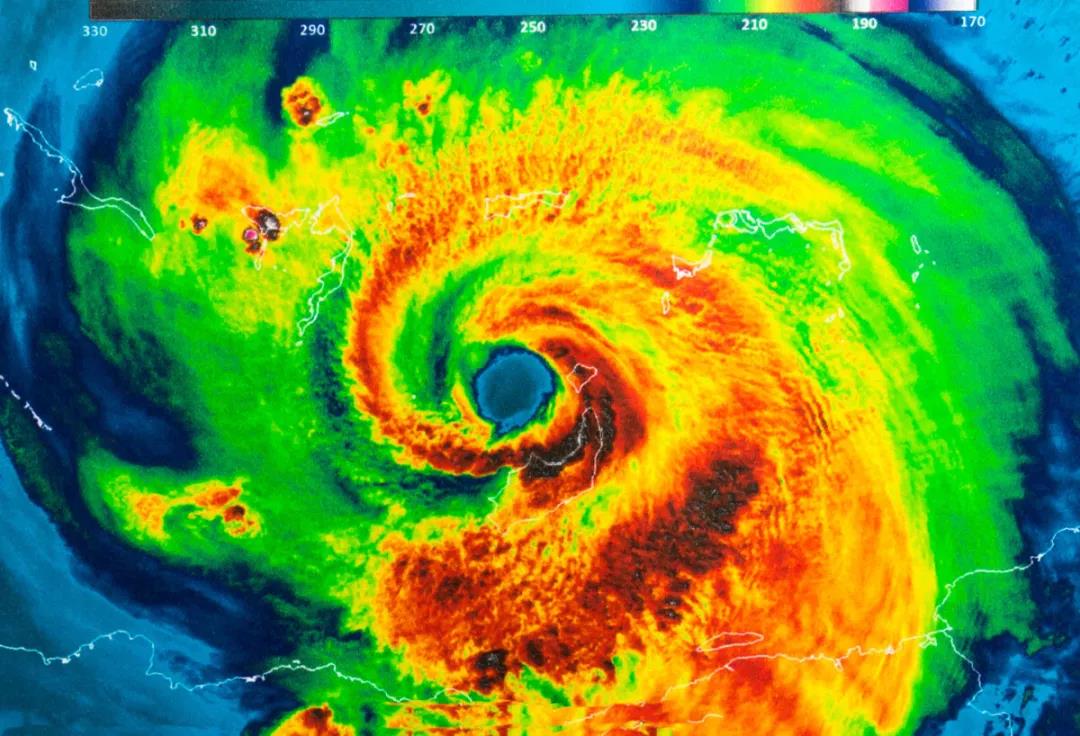
The hurricane hit the Central American producing area and reduced the production of coffee beans in many countries in Central America to varying degrees.
Professional coffee knowledge exchange more coffee bean information please follow the coffee workshop (Wechat official account cafe_style) on November 3, 2020, Category 4 Hurricane ETA (later downgraded to a tropical storm) made landfall in Central America. The hurricane caused varying degrees of losses in Nicaragua, Guatemala, Honduras, El Salvador and Panama, as well as Costa Rica, Mexico and Jamaica.
Introduction of boutique coffee beans in coffee flavor and taste areas of Chateau Saint Roman, Costa Rica
1502 C. Columbus discovered the coast of Costa Rica on his fourth voyage. Since then, the Spanish colonists have invaded many times. The city of Catago was founded in 1563 and Costa Rica was colonized by Spain and placed under the jurisdiction of the Governor's Office of Guatemala. During the colonial period, under the cruel enslavement and oppression of the Spanish colonists, the Indians were almost wiped out and there was little labor available for enslavement.
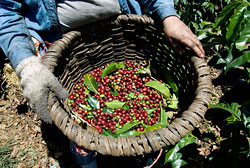
World Coffee producing areas: characteristics and stories of American Coffee beans in Global Coffee producing areas
There are more than 60 coffee producing countries and regions in the world, most of which are located in the tropics and subtropics covered by the Tropic of Cancer, and the equator passes through this area. this coffee cultivation area is also known as coffee belt or coffee area. Today I would like to introduce to you the situation of its coffee producing areas in Central America. First, Costa Rican coffee has full particles, ideal acidity and unique strong flavor. The Tower of Costa Rica
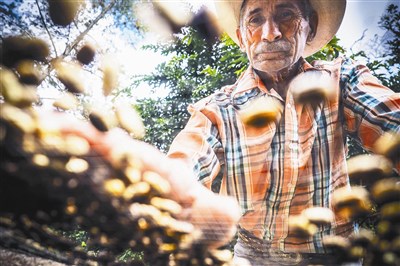
Comment on Nicaraguan Coffee Flavor Central American Coffee beans from Central America
Nicaraguan coffee Nicaragua coffee flavor characteristics: moderate acidity, fragrant and delicious. Nicaraguan coffee of high quality is in the forefront of coffee beans in the world and enjoys a good reputation. Its particles are moderate in size, mild in taste and very aromatic and mellow. Nicaragua is located in central Central America, bordered by the Pacific Ocean to the west and the Caribbean Sea to the east. The highlands in the north and the coastal plains in the east

Introduction to the world's three major coffee producing areas: American coffee estates and detailed explanation of coffee from each producing area
Coffee production in the Americas refers to Central America and South America, and the areas north of Mexico are basically non-producing coffee beans. Coffee production in the Americas is mainly distributed in the Tropic of Cancer to the equator, and several countries in Central America are basically coffee producing countries. Brazil, located in South America, is the world's largest coffee producer. Just like the spread of coffee, it cannot be separated from the era of great navigation.

Aromatic and mild Salvadoran coffee Flavor Taste Manor Features Fine coffee beans Introduction
The flag of El Salvador was adopted in 1822, revoked in 1865, restored in 1912, and officially recognized as the national flag in the Constitution of 1972. The flag is rectangular in shape and has an aspect ratio of 335:189. The flag is composed of three parallel rectangles of blue, white and blue from top to bottom. The white part is painted with the national emblem pattern in the center. El Salvador was a member of the former Central American Federation, and its flag was
Description of Flavor characteristics of Costa Rican Coffee Bean producing area introduction to brewing method of Central American Coffee Bean
The particles are full, the acidity is ideal and the aroma is unique and strong. Tarrazu in Costa Rica is one of the major coffee producing areas in the world. The coffee produced is light and pure in flavor and pleasant in aroma. Costa Rica, with fertile volcanic soil and good drainage, is the first in Central America because of its commercial value.

Flavor description of El Salvador Pacamara Coffee beans; introduction to the regional treatment of manor production
El Salvador Pacamara coffee bean flavor description taste manor regional treatment method El Salvador attaches importance to the development of relations with neighboring countries and other Latin American countries, and actively promotes the process of Central American integration with the northern triangular countries as the core. In February 2000, sa representatives attended the EU Central American meeting in San Jose, and in April, President Flores met with the President of Brazil in Nicaragua.
Costa Rican Yersalo Coffee Flavor description, Grinding degree treatment, Taste characteristics, Fine Coffee introduction
In the 1820s, the independence movement in Latin America was high, and Costa Rica declared its independence in 1821. Incorporated into the Iturvid Empire of Mexico in 1822. He joined the Union of Central America in 1823. The Republic of Costa Rica was founded in 1848. From 1821 to 1870, the Costa Rican regime was mainly controlled by J.R. Morapolas and J.M. The economy is booming in the hands of the two Montealegre families.
A detailed introduction to the cultivation of Coffee Manors in Central America
Central America knows Central America Coffee Central America is the land bridge connecting North and South America. There are seven countries, namely, Belize, Costa Rica, El Salvador, Guatemala, Honduras, Nicaragua and Panama. Seven Central American countries all produce coffee, with Guatemala, Costa Rica and Honduras among the top 10 coffee exporters in the world. Coffee began to flourish in Central America

Introduction of coffee flavor and taste characteristics of Mercedes Manor in El Salvador with excellent balance
El Salvador's domestic topography is mainly mountainous, plateau, volcanic, known as the country of volcanoes, Santa Ana active volcano 2385 meters above sea level, the highest peak in the country; the northern part of the country is the Lompa Valley and the southern part is the narrow coastal plain. Climatic characteristics all over El Salvador has a tropical climate, with an annual average temperature of 28 ℃; dry season from November to April and rainy season from May to October; coastal and lowland atmosphere

Introduction of boutique coffee beans in El Salvador coffee flavor and taste producing area
The Salvadoran flag was launched in 1822, rescinded in 1865 and restored in 1912. The Constitution of the year of the Salvadoran Flag in 1972 was officially established as the national flag. The national flag is rectangular, with a ratio of length to width of 335 to 189. From top to bottom, the flag is connected by three parallel equal horizontal rectangles of blue, white and blue, and the central part of the white part is painted with the national emblem. Because El Salvador used to be

Parameters of Central American Salvadoran Coffee characteristics of Salvadoran Coffee producing areas
For the exchange of professional baristas, please follow the Coffee Workshop (official Wechat account cafe_style). There are seven countries in Central America, namely, Belize, Costa Rica, El Salvador, Guatemala, Honduras, Nicaragua and Panama. All seven countries in Central America produce coffee, among which Guatemala, Costa Rica and Honduras are global coffee exporters.

Flavor and taste characteristics of El Salvador Himalayan Coffee Manor
The Salvadoran flag was launched in 1822, rescinded in 1865 and restored in 1912. The Constitution of the year of the Salvadoran Flag in 1972 was officially established as the national flag. The national flag is rectangular, with a ratio of length to width of 335 to 189. From top to bottom, the flag is connected by three parallel equal horizontal rectangles of blue, white and blue, and the central part of the white part is painted with the national emblem. Because El Salvador used to be

Boutique single coffee beans Central American Nicaraguan coffee beans
Nicaragua is located in central Central America, bordered by the Pacific Ocean to the west and the Caribbean Sea to the east. The highlands in the north and the coastal plains in the east are part of the Central American volcanic belt. The eastern plain is high-temperature and rainy, with a tropical maritime climate. The suitable climate provides an excellent growth environment for the cultivation of coffee. (Pakamara, Nicaragua on the left, Guatemala on the right) High-quality Niagara

Pure, slightly sour Manor Renas in El Salvador, the cultivation of boutique coffee beans, geographical location and climate
Features of Salvadoran coffee: Salvadoran coffee is a specialty of Central America, where coffee is light, fragrant, pure and slightly sour. Flavor: balanced taste, good texture recommended roasting method: medium to deep, there are many uses ★: general Salvadoran coffee market: the best quality Salvadoran coffee is exported from January to March, 35% of the extra hard beans are exported to Germany. nineteen

Fragrant and mild taste of El Salvador Cuskabapa region boutique coffee beans taste manor
The national flag of El Salvador was launched in 1822, was rescinded in 1865, was restored in 1912, and was officially established as the national flag in the 1972 Constitution. The national flag is rectangular, with a ratio of length to width of 335 to 189. From top to bottom, the flag is connected by three parallel equal horizontal rectangles of blue, white and blue, and the central part of the white part is painted with the national emblem. Because El Salvador used to be a member of the Central American Federation, its flag is beautiful.

A brief introduction to the History and Culture of the Origin and Development of Fine Coffee beans in Renas Manor in El Salvador
Quality beans: SHB taste characteristics: sour, bitter, sweet mild El Salvador coffee El Salvador (ElSalvador) is one of the small countries in Central America, the coffee body is light, aromatic, pure, slightly sour, the flavor is extremely balanced, is a specialty of Central America. With sour, bitter, sweet and other taste characteristics, the best baking degree is moderate, deep. The origin of coffee